
Did you know that gallbladder removal, or cholecystectomy, is the most common surgery performed worldwide1? In my experience, many people undergo an emergency cholecystectomy (gallbladder removal surgery) with little guidance about the long-term side effects of gallbladder removal.
It’s very common to experience severe digestive issues right after surgery or even years after surgery, but we rarely connect these issues to the lack of a gallbladder.
The lack of a healthy gallbladder can make it difficult to break down and absorb the nutrients in your food, which can cause nutrient deficiencies and lead to more problems.
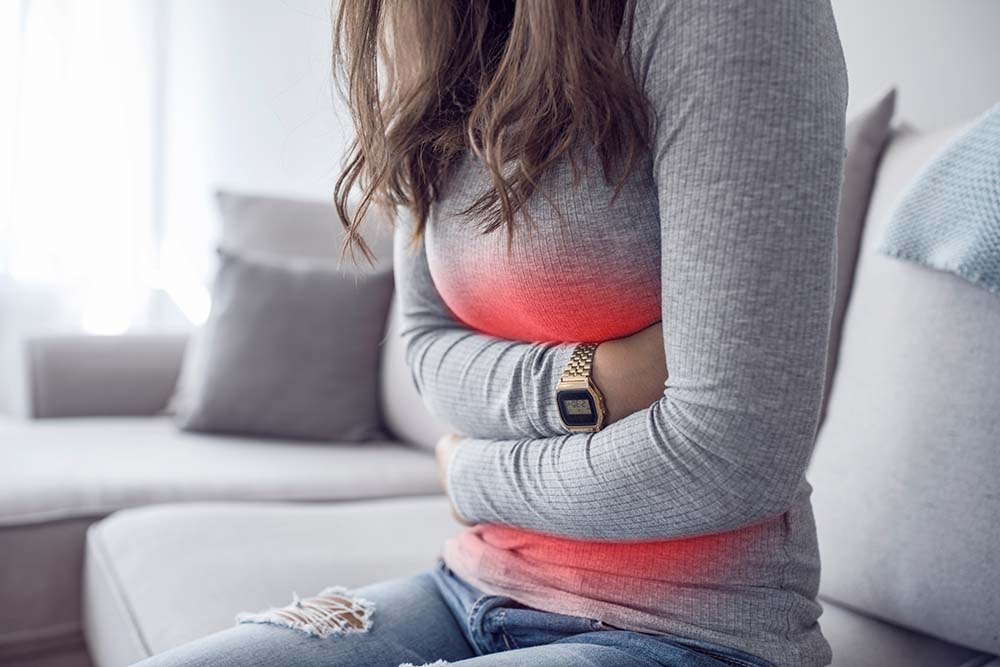
Chronic digestive issues may eventually lead to a condition known as PCS or post-cholecystectomy syndrome. Symptoms are like those pre-surgery, such as:
There may be a link between those with gallbladder removal and depression. A 2015 retrospective study of 6,755 patients noticed an increased risk of depressive disorder, with females at a higher risk than males.3 A 2021 retrospective study indicated an increased risk of major depressive disorder with most incidents occurring within two years of gallbladder removal surgery.4
If you experienced depression months or years after your surgery, the two may be connected. We can track your symptoms along with nutrition changes to see if there’s a correlation.

The gallbladder intensifies the bile made by the liver. Without a gallbladder, bile may not be strong enough to complete several necessary body functions, such as:
Lack of a gallbladder may lead to weight gain in the long-term.9
In a nutshell, you can eat the healthiest diet on the planet, but without the ability to break down and absorb nutrients, you won’t be nourished from your food.
If gallbladder health issues or gallbladder removal side effects are impacting your health, I can help. As a nutrition therapist, I can help you reach your health goals through sustainable diet and lifestyle strategies that deliver the results you want.
1 Hassler KR, Collins JT, Philip K, Jones MW. Laparoscopic Cholecystectomy. 2023 Jan 23. In: StatPearls [Internet]. Treasure Island (FL): StatPearls Publishing; 2023 Jan–. PMID: 28846328.
2 Zackria R, Lopez RA. Postcholecystectomy Syndrome. In: StatPearls. Treasure Island (FL): StatPearls Publishing; August 29, 2022.
3 Tsai MC, Chen CH, Lee HC, Lin HC, Lee CZ. Increased Risk of Depressive Disorder following Cholecystectomy for Gallstones. PLoS One. 2015;10(6):e0129962. Published 2015 Jun 8. doi:10.1371/journal.pone.0129962
4 Jin EH, Han K, Lee DH, et al. Increased Risk of Major Depressive Disorder After Cholecystectomy: A Nationwide Population-Based Cohort Study in Korea. Clin Transl Gastroenterol. 2021;12(4):e00339. Published 2021 Apr 20. doi:10.14309/ctg.0000000000000339
5 Tortora GJ, Derrickson B. Introduction to the Human Body : The Essentials of Anatomy and Physiology. John Wiley & Sons; 2015.
6 Sharon Rady Rolfes, Pinna K, Eleanor Noss Whitney. Understanding Normal & Clinical Nutrition. 11th ed. Cengage Learning; 2018.
7 Hundt M, Basit H, John S. Physiology, Bile Secretion. In: StatPearls. Treasure Island (FL): StatPearls Publishing; September 26, 2022.
8 Boyer JL. Bile formation and secretion. Compr Physiol. 2013;3(3):1035-1078. doi:10.1002/cphy.c120027